Leave Your Message

What Are the Best Wood Replacement Windows from China?

Choosing the best Wood Replacement Windows from China requires more than comparing online prices. Buyers must examine craftsmanship, timber quality, glazing performance, and factory reliability. A polished product image cannot reveal warped frames, weak corner joints, or poor finishing. Real evaluation begins with samples, technical documents, and clear communication.

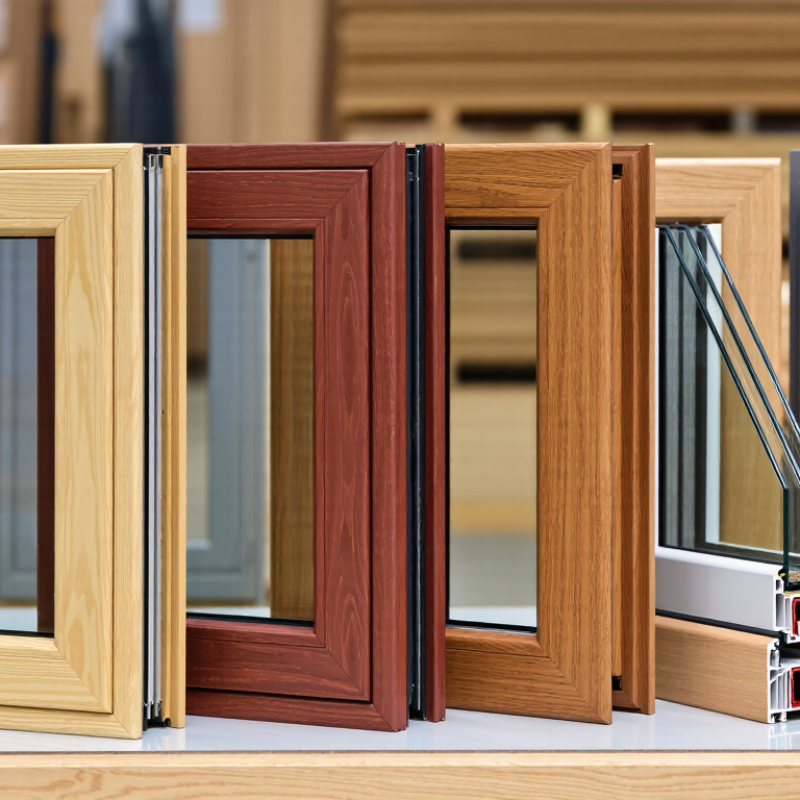
Experienced importers often request a complete window sample before placing a large order. They inspect the frame surface, drainage channels, locking points, and seal compression. They also check whether the wood is properly kiln-dried and treated for moisture resistance. Common options include pine, cedar, oak, and engineered wood. Each material behaves differently in changing climates. That detail matters.

Energy performance deserves equal attention. Ask for U-values, air leakage results, water resistance data, and suitable glazing specifications. Independent testing can provide stronger evidence than a supplier’s brochure. Certifications may support trust, but buyers should verify their scope, validity, and issuing organization. A certificate alone is not proof of consistent production.

There is no single best manufacturer for every project. A coastal home may need different coatings than a mountain property. A renovation may require unusual sizes, shallow frames, or historically matched profiles. Some suppliers communicate well but struggle with quality consistency. Others produce excellent windows yet offer limited customization. That trade-off is easy to miss.

This guide examines manufacturers through practical criteria: materials, factory experience, customization, testing, packaging, warranty support, and delivery performance. It also considers the details that appear after installation, such as condensation, adjustment needs, and finish durability. Careful comparison takes time. It can prevent expensive surprises later.

What Are the Best Wood Replacement Windows from China?

Wood Replacement Windows: Definition and Core Performance Goals

Wood replacement windows are new window units designed to replace aging wood windows without changing the home’s basic openings. They may use engineered wood, solid timber, or wood interiors with protective exterior materials. The goal is not to imitate wood visually. It is to preserve warmth, proportion, and tactile character while improving measurable performance.

Thermal control comes first. A well-designed unit should limit heat transfer through insulated glazing, tight seals, and carefully joined frames. In a cold room, the inner glass should feel less chilled near the edges. Air leakage also matters. Small gaps can create drafts, dust movement, and higher heating costs. Water resistance is equally important, especially around sill joints and exposed corners. Factory drainage paths must guide rainwater away from the wall, not trap it inside the frame.

Real projects often reveal overlooked details. A window can perform well in testing yet fail after poor installation. Squared openings, shims, flashing, and compatible sealants deserve close inspection. Structural strength matters in windy areas, where a large sash may flex or become difficult to lock. Hardware should support smooth movement without feeling loose. Finish durability also needs honest evaluation; direct sun can fade coatings, and wood still requires maintenance. I have seen attractive windows underperform because appearance received more attention than drainage. Imported units should come with clear test data, material specifications, installation guidance, and traceable quality checks. Some suppliers offer impressive samples, but one sample cannot represent every production batch.

What Are the Best Wood Replacement Windows from China?

Wood Replacement Windows: Definition and Core Performance Goals

The chart shows regional ENERGY STAR® performance thresholds commonly used when evaluating replacement windows in North America. U-factor measures heat transfer, so a lower value indicates better insulation. Solar Heat Gain Coefficient (SHGC) measures the fraction of solar energy entering through the glass; lower values are generally preferred in warmer climates, while higher values can help provide passive solar heat in colder climates.

Values are certification thresholds for complete window units, not claims about any specific manufacturer or supplier.

How to Evaluate Chinese Wood Replacement Window Manufacturers

Choosing the best wood replacement windows from China requires more than comparing online prices. Begin by checking the manufacturer’s production history, export experience, and quality-control staff. Ask for current certifications, test reports, and performance data for air leakage, water resistance, and wind pressure. These documents should match the window design, not a similar model.

Request detailed information about the timber species, moisture content, finger-jointed sections, adhesives, and protective coatings. Wood should arrive properly dried and remain stable during seasonal changes. A factory should explain how it controls warping, corner strength, glass installation, and drainage paths.

Visit the facility if possible, or hire an independent inspector to review materials and production records. A polished showroom can mislead.

Order a physical sample before approving a large shipment. Check the frame finish in daylight, operate every hinge, and inspect seals around the glass. Ask how replacement parts, packaging damage, and warranty claims are handled. Clear answers matter.

Reliable manufacturers provide traceable batch records and realistic production schedules. They also understand the building codes of your target market, although you should verify compliance locally.

I would not rely on photographs alone. Even a strong supplier can miss a detail, such as an unsuitable coating for coastal air or weak packaging for long-distance transport. Record every specification in the purchase contract, including tolerances, inspection points, and acceptance procedures.

Materials, Construction Methods, and Customization Choices

What Are the Best Wood Replacement Windows from China?

Material selection shapes both durability and appearance. Solid wood offers a warm grain, but engineered wood usually resists warping better. Many replacement windows combine laminated timber with weather-resistant exterior cladding. This structure protects the frame from rain and ultraviolet exposure. The U.S. Department of Energy estimates that windows can cause 25–30% of residential heating and cooling energy use. Therefore, glazing matters as much as timber. Double glazing works for mild climates, while triple glazing suits colder regions. Low-emissivity coatings and argon filling can further reduce heat transfer.

Construction quality depends on details. Look for finger-jointed or laminated components, sealed corners, drainage channels, and stable sash hardware. Factory moisture control is essential. Wood that is too wet may shrink after installation. Wood that is too dry may crack. The Window and Door Manufacturers Association separates products by performance class, design pressure, and operating cycle requirements. Ask for test evidence, not only attractive samples. NFRC labeling also helps verify U-factor, solar heat gain coefficient, and visible transmittance through independent testing.

Customization can include arched heads, narrow sightlines, tilt-and-turn operation, unusual colors, and concealed screens. Yet every extra feature adds risk. Large glass areas need stronger reinforcement and careful shipping protection. I have found that painted samples often hide joint movement. That deserves closer inspection. A practical specification should state timber species, moisture range, coating system, glass build-up, hardware grade, tolerances, and installation responsibility. Local climate exposure should guide the final choice. Window performance is never just a factory decision.

Energy Efficiency, Durability, Testing, and Certification Standards

Wood replacement windows from China can deliver strong energy efficiency when specifications are verified, not simply promised. Look for low U-values, suitable solar heat gain coefficients, and insulated glazing with warm-edge spacers. These details matter during cold mornings, when interior glass should remain clearer and warmer.

A reliable supplier should provide recent test reports for air leakage, water penetration, wind load, and operational force. Reports should identify the exact window model, size, glass package, and testing laboratory. For export projects, check whether the product meets regional requirements, such as applicable European, North American, or Australian standards. Certification marks alone are not enough. A quality management certificate may show factory discipline, but it does not prove window performance.

Tips: Request sample corners, not only brochures. Measure frame thickness, drainage paths, gasket fit, and hardware movement. Ask for thermal calculations and installation instructions. Confirm who handles replacement parts. I once trusted a polished sample too quickly, and the installed unit revealed uneven seals. That mistake changed my inspection process.

Durability depends on timber treatment, joint construction, coating quality, and moisture control. Ask how the wood is kiln-dried and protected before assembly. Testing should include repeated opening cycles and coating adhesion checks. Field performance also depends on installation. Even an excellent window can leak if the sill is poorly flashed or the frame is forced out of square. Review tolerances with the installer before production begins. Specification gaps often become expensive later.

Ordering, Quality Control, Installation, and Long-Term Maintenance

The best wood replacement windows from China require disciplined ordering, not attractive photographs. Request full drawings, species, moisture content, glazing details, hardware schedules, and test reports. Specify dimensions in millimetres, then confirm them again before production. The U.S. Department of Energy reports that windows can cause 25–30% of residential heating and cooling energy use. Therefore, request verified U-factor, solar heat gain coefficient, and air-leakage data. NFRC labeling provides these performance values under standardized procedures.

Quality control should happen before shipment. Check tenons, corner joints, paint coverage, glass spacers, drainage paths, and frame warping. Use calibrated moisture meters. Wood that leaves the factory too wet may shrink after installation. A third-party inspector can photograph every opening and record measurements. A perfect sample is not proof of consistent production. My own practical preference is to approve a pilot batch first, although this adds time and cost. The inspection plan should also include packaging, because damaged corners are difficult to repair on site.

Tips: Keep installation instructions beside the crew. The opening must be square, plumb, insulated, and properly flashed. Do not rely on expanding foam alone. After installation, inspect joints each season. The National Fenestration Rating Council notes that performance ratings depend on the complete window assembly, not glass alone. Recoat exposed wood when the finish becomes thin, often before peeling begins. Check sealant, drainage holes, and hardware annually. Small defects are cheaper to correct early.

What Are the Best Wood Replacement Windows from China? — Ordering, Quality Control, Installation, and Long-Term Maintenance
Evaluation Area Recommended Specification or Practice Why It Matters Ordering or Quality-Control Check Priority
Wood Species Use stable, kiln-dried wood such as pine, Douglas fir, larch, or another documented species. Target moisture content is commonly about 8–12% before assembly, adjusted for the destination climate. Properly dried and stable wood reduces shrinkage, swelling, joint movement, and paint failure after installation. Request the wood species, moisture-control procedure, treatment method, and batch inspection records. Check that the contract does not allow unapproved substitutions. High
Wood Protection Specify factory-applied preservative or water-repellent treatment where appropriate, plus complete primer coverage on exposed wood surfaces and end grain. End grain and unsealed joints absorb water quickly and are common starting points for decay. Inspect corners, glazing rebates, drainage paths, sill ends, and hardware cutouts before shipment. Require photographs of concealed surfaces. High
Glazing For most replacement projects, use insulated low-emissivity glazing with warm-edge spacers; select double glazing for moderate climates and triple glazing for colder or noise-sensitive locations. Low-emissivity coatings reduce radiant heat transfer, while insulated glass improves thermal performance and interior comfort. Confirm glass make-up, coating location, gas fill if specified, spacer type, safety-glazing requirements, and the insulating-glass-unit warranty. High
Thermal Performance A practical high-performance target is a whole-window U-factor of approximately 0.30 BTU/h·ft²·°F or lower, where local climate and building codes support that level. A lower U-factor generally means less heat transfer through the complete window, not only through the center of the glass. Request a complete-window test report or certified calculation. Do not rely only on center-of-glass data or marketing claims. High
Solar Control Choose the solar heat gain coefficient according to orientation and climate: lower SHGC for hot, sunny exposures and a moderate or higher SHGC where winter solar gain is useful. The correct SHGC can reduce summer cooling loads without unnecessarily sacrificing useful passive solar heat. List U-factor and SHGC for the exact glass configuration in the purchase order. Check local energy-code requirements by project location. Medium
Air Infiltration Target an air-leakage rate of 0.30 cfm/ft² or lower when tested at 75 Pa, subject to the applicable regional standard and product category. Lower air leakage improves comfort, energy efficiency, and resistance to drafts around moving sashes. Ask for a complete-window air-leakage test result. Confirm that seals, compression gaskets, weather-stripping, and meeting rails match the tested design. High
Water Resistance Specify a water-penetration test pressure appropriate to the building exposure and local standard; many residential products are tested at a pressure related to their design pressure. Water resistance depends on the complete window, drainage design, sill pan, flashing, sealants, and installation—not only on the frame material. Obtain the water-penetration test report and installation details. Require weep paths to remain open and confirm sill-pan compatibility. High
Hardware and Operation Use corrosion-resistant hardware appropriate for the environment, with adjustable hinges, locks, handles, and replaceable weather-stripping. Hardware quality affects sash alignment, security, air sealing, and the ability to service the window years later. Cycle each operating sash before packing. Check locking-point engagement, handle clearance, screw quality, and availability of replacement parts. High
Dimensional Survey Measure the rough opening at several points for width, height, squareness, plumb, level, and depth. Use the smallest verified dimensions when determining the replacement size and installation clearance. Many installation failures originate from inaccurate field measurements rather than from the window itself. Prepare an opening schedule with drawings, elevations, handing, glazing type, sill details, and tolerance requirements. Obtain written approval before production. High
Sampling Before Production Approve a fully finished sample or first-article unit before mass production, including glass, color, hardware, seals, drainage, and interior details. A sample reveals differences in color, profile, opening force, joinery, and finish that drawings may not show. Record approved dimensions, finish color, coating system, hardware, and visible tolerances in a signed approval document. High
Factory Inspection Use a documented inspection plan covering dimensions, diagonals, sash operation, glass condition, finish, drainage, hardware, labels, and packaging. A repeatable inspection process reduces defects that are expensive to correct after international shipment. Use an inspection checklist with acceptance limits and photographs. For larger orders, arrange an independent pre-shipment inspection or witnessed testing. High
Lead Time and Logistics Allow time for sample approval, production, inspection, export handling, ocean or air freight, customs clearance, and local delivery. Do not schedule installation immediately after the estimated arrival date. International delivery dates can change because of production queues, port congestion, customs checks, or damaged packaging. Define production milestones, shipping terms, documents, replacement-part procedures, and the responsibility for damage or delay in the purchase contract. High
Packaging Use dry, ventilated, impact-resistant packaging with corner protection, separation between finished surfaces, moisture protection, and clear identification for every unit. Wood frames and insulated glass can be damaged by impact, condensation, abrasion, and prolonged exposure to moisture during transit. Require packing photographs, crate labels, a packing list, moisture protection, and instructions for inspecting concealed damage before signing delivery documents. High
Installation Preparation Store units upright, dry, shaded, and supported. Keep protective film and packaging intact until the opening is ready, while avoiding prolonged exposure to direct sunlight where the supplier prohibits it. Incorrect storage can cause frame distortion, finish damage, glass stress, and moisture-related problems before installation begins. Inspect units on arrival and document damage. Verify rough-opening dimensions, sill condition, flashing materials, sealants, shims, and fasteners before unloading. High
Installation Method Install according to the approved manufacturer details: level sill, plumb jambs, correct shimming, mechanically secure fastening, compatible sealants, exterior flashing, and an interior air seal. A high-quality window can leak or bind if it is out of square, over-tightened, poorly flashed, or sealed with incompatible materials. Check diagonals, sash clearances, operation, lock engagement, drainage, sealant continuity, and the interface with the wall weather-resistive barrier. High
Finish and Paint Maintenance Inspect the exterior finish at least annually. Clean surfaces with mild soap and water, repair scratches promptly, and recoat exposed wood according to climate and finish-system instructions. Paint and stain protect wood from ultraviolet radiation and liquid water; maintenance intervals become shorter when exposure is severe. Pay particular attention to lower rails, sill edges, joints, end grain, and locations where water can collect. Do not block drainage openings with paint. High
Seals and Hardware Maintenance Clean tracks and weep holes, inspect gaskets and weather-stripping, lubricate compatible moving parts, and tighten or replace loose hardware as needed. Routine servicing preserves air sealing, smooth operation, water drainage, and security. Create an annual maintenance log. Replace failed gaskets or worn weather-stripping with compatible profiles rather than sealing over drainage paths. Medium
Warranty and Spare Parts Obtain written coverage for frame finish, wood defects, insulated-glass seal failure, hardware, and installation responsibilities, with clearly stated exclusions and claim procedures. Cross-border warranty service can be slow if replacement parts, glass specifications, and responsible parties are not documented. Keep product codes, drawings, glass make-up, finish details, spare hardware, and installation photographs for the full service life of the project. High
Performance targets should be confirmed against the building code, climate zone, exposure, wind requirements, historic-preservation rules, and the applicable testing standard at the project location. Whole-window test data is more useful than glass-only data when comparing replacement windows.