How to Choose the Best Wood Casement Windows for Your Home?
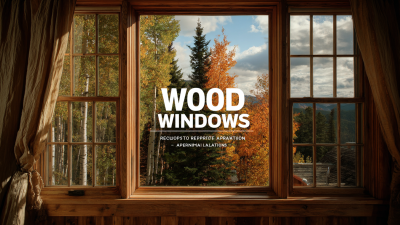
When considering home renovations, choosing the right windows is crucial. Wood casement windows offer both aesthetic appeal and functionality. Industry expert Sarah Thompson, a respected architect with over 15 years of experience, asserts, “The right windows can transform a home’s character.” Her perspective underscores the importance of careful selection.
Wood casement windows are known for their elegant design and efficient ventilation. They allow natural light to flood your living spaces while offering a classic look. However, homeowners often struggle with choices. The range of styles, finishes, and wood types can be overwhelming. Experts recommend focusing on your home’s architectural style and your personal preferences.
Quality is paramount when selecting wood casement windows. Look for trusted brands and consider the durability of the wood. Not all wood is created equal, and some may require more maintenance than others. It's essential to weigh the benefits alongside potential challenges. Reflecting on these aspects will guide you toward making a more informed decision that enhances your home’s beauty.
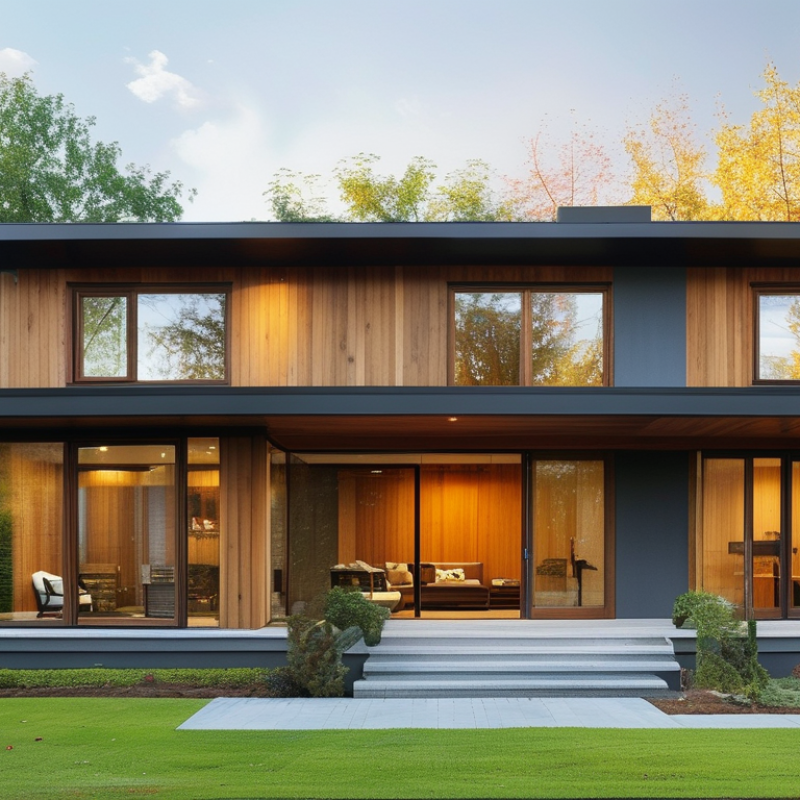
Understanding the Benefits of Wood Casement Windows
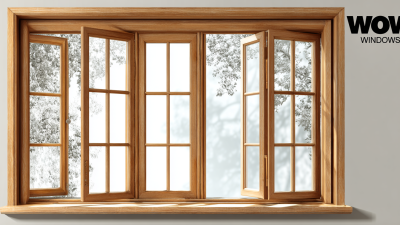
Wood casement windows offer a unique charm and functionality that can elevate any home. Their designs allow for excellent ventilation, as they open outward with a crank mechanism. This feature provides a wider opening than standard windows. Properly fit, these windows can enhance both comfort and energy efficiency. Homeowners often appreciate the natural insulation of wood, which keeps homes warm in winter and cool in summer.
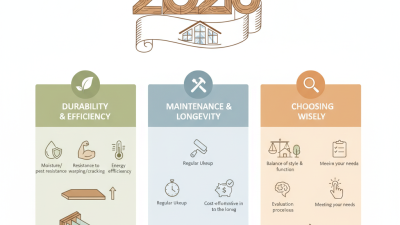
Beyond aesthetics, wood casement windows have durability when well-maintained. With a good finish, they resist weather elements. However, they do require regular care to prevent rot and warping. Homeowners need to consider this upkeep. Cost can also be a factor. While they might be pricier upfront, the long-term energy savings and aesthetic appeal can make them worthwhile.
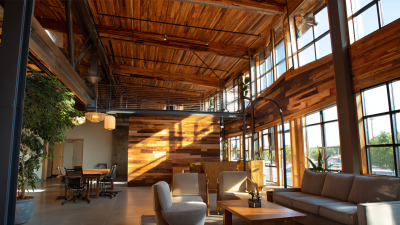
Opting for wood casement windows is not just a choice of materials; it’s about investing in your home’s character. Each window tells a story, adding warmth and personality. The decision also reflects an understanding of environmental impact, as wood is a renewable resource. This balance of beauty and responsibility can make wood casement windows an ideal choice for thoughtful homeowners.
Key Factors to Consider When Selecting Wood Casement Windows
Choosing wood casement windows for your home involves several important factors. The first thing to consider is the wood type. Different woods offer varying levels of durability and weather resistance. For instance, some species are naturally more resistant to moisture. You should think about your climate and choose accordingly.
Another key factor is the window operation. Casement windows are hinged on one side, allowing for easy opening. Check the ease of operation, especially for larger windows. If a window is difficult to open, you might face frustrations later. Pay attention to the locking mechanism as well. A reliable lock system provides security and peace of mind.
You also need to evaluate the energy efficiency of the windows. Look for features like double glazing, which can help with insulation. This is crucial for reducing heating and cooling costs.
Finally, consider the finish. A well-applied finish not only enhances the look but also offers protection against the elements. Reflect on how maintenance fits into your lifestyle. Wood requires some upkeep, and this should be factored into your choice.
Types of Wood Finishes and Their Impact on Performance
When selecting wood casement windows, the type of finish plays a crucial role in performance. Wood finishes not only enhance appearance but also protect against environmental damage. A high-quality finish can prevent moisture ingress, reducing the risk of rot. This protective layer can also minimize the effects of UV rays, which can cause fading. Common wood finishes include paint, stain, and clear sealers, each offering different benefits.
Choosing the right finish involves considering your local climate. For instance, in humid areas, a water-repellent finish is essential. In contrast, arid regions may benefit from UV-blocking formulas. Keep in mind that some finishes require more maintenance than others. Regular upkeep is vital; neglect can lead to peeling or cracking. It’s important to weigh the aesthetic impact against durability.
Sometimes, homeowners overlook the interaction between the window finish and the overall design of the house. A poorly chosen finish can clash with exterior colors or styles. Experimenting with samples on your home can help visualize the final look. Reflecting on these aspects ensures you choose efficiently while considering both beauty and functionality.
Energy Efficiency Ratings and Features to Look For
Choosing wood casement windows can significantly enhance your home’s energy efficiency. Look for windows that have a high Energy Efficiency Rating. These ratings often indicate how well the window insulates and reduces heat loss. A better rating means lower energy bills, which can offset the initial investment. Additionally, consider windows with double or triple glazing. These structures trap air between panes, improving insulation.
Another feature to prioritize is weather stripping. Quality weather stripping materials prevent drafts and moisture ingress. This can protect your interior while helping maintain a stable indoor temperature. It’s also essential to inspect the frame material. Solid wood frames generally provide better insulation than composite materials. Keep in mind that aesthetics also matter. You want windows that complement your home’s style.
Remember that the installation process plays a critical role in performance. Even the best windows won't perform well if installed poorly. Sometimes, builders overlook this part, leading to poor sealing. It’s beneficial to hire experienced professionals. Their expertise can contribute to long-term energy efficiency. Investing time in research and installation can yield better results over time. Think about these criteria before making a decision.
Maintenance Tips for Long-Lasting Wood Casement Windows
Wood casement windows can enhance your home’s aesthetic. However, they require regular upkeep for longevity. To keep them looking their best, start with annual inspections. Check for any signs of rot or decay. If you notice any issues, address them promptly to prevent further damage.
Proper painting and sealing are crucial. Use high-quality weatherproof paint to protect the wood from moisture. This can prevent warping and extending the lifespan of your windows. Repainting every few years helps maintain their appearance.
Cleaning plays an essential role in maintenance. Use a soft cloth and mild soap to remove dirt and grime. Avoid harsh chemicals, as they can damage the finish. Regular cleaning keeps your windows functional and beautiful. Ensure the window tracks are clean for smooth operation. It's a small step that pays off in convenience. Remember, neglecting even minor issues can lead to costly repairs later on.