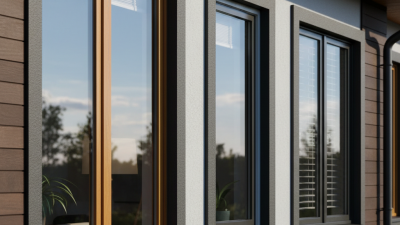
Who Are the Top Exterior Window Manufacturers in China?
Who are the top exterior window manufacturers in China? The answer depends on project needs, not just brand visibility. China’s window sector includes large export-focused factories, regional specialists, and companies serving residential or commercial construction. A polished catalog can look convincing. It proves little by itself.
This guide examines manufacturers through practical signals: product range, materials, documented quality controls, export experience, customization, and after-sales support. For Exterior Windows, buyers should compare frame systems, glazing options, hardware, thermal and acoustic performance, and finishes under real project conditions. Ask for current test reports and installation references. Check whether quoted specifications match the samples and final production. Details matter. A small mismatch can create delays, extra costs, or difficult site adjustments.
There is no single supplier that suits every climate, budget, or building design. A manufacturer with strong aluminum systems may not be the best fit for a timber project. Likewise, an attractive price may omit packaging, testing, or technical coordination. Those gaps are easy to miss. This overview is a starting point, not a substitute for factory verification or independent technical review. Some public information may also be incomplete or outdated, so confirm claims directly. By comparing evidence rather than slogans, readers can build a more reliable shortlist and ask sharper questions before requesting a quotation. The “top” choice is ultimately the one that can deliver the specified window consistently, communicate clearly, and support the project after shipment. I would still verify every important detail.
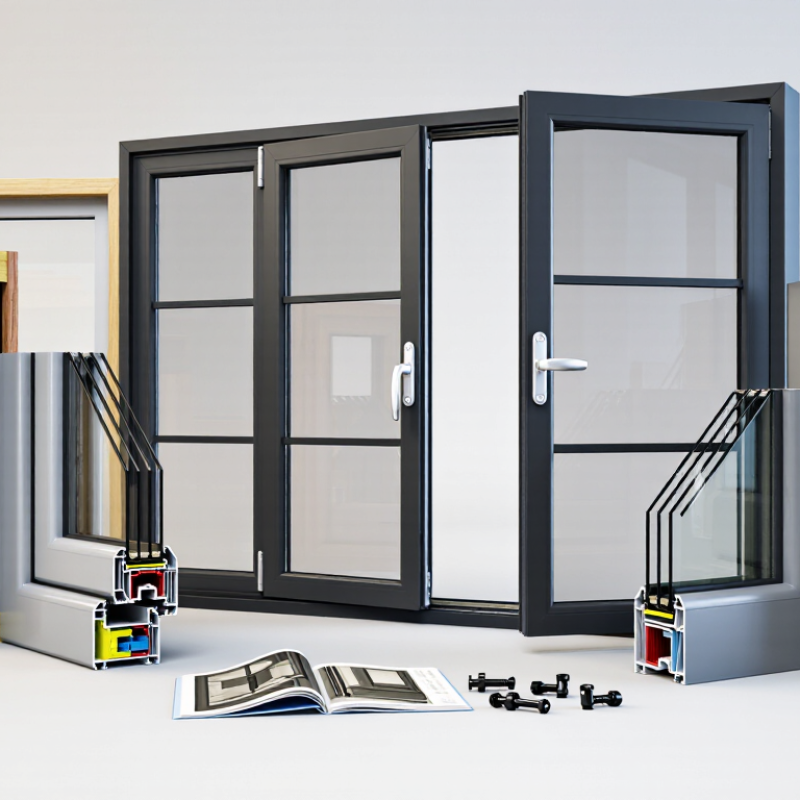
What Defines an Exterior Window Manufacturer?
Who Are the Top Exterior Window Manufacturers in China?
An exterior window manufacturer does more than assemble frames and glass. It controls key steps: material selection, fabrication, sealing, hardware fitting, and quality checks. Look for documented testing against wind pressure, water penetration, and air leakage. On a rainy site, a neat showroom sample means little if water reaches the sill.
Performance data helps separate engineering from sales language. The U.S. Department of Energy’s Energy Saver guidance estimates that heat gain and loss through windows account for 25–30% of residential heating and cooling energy use. That figure is a useful reminder: frame design and glazing affect comfort and energy demand. Check reported U-factor and solar heat gain coefficient, and ask whether values apply to the complete window or only its glass. It matters.
A credible manufacturer can explain test methods, provide traceable product specifications, and show how results relate to the intended climate and building type. Independent rating documentation, such as National Fenestration Rating Council labels, makes comparisons clearer. Ask about drainage paths, corner joints, gasket compression, and hardware durability; these details are easy to overlook. A certificate alone is not proof of consistent production. I would still verify sample dimensions and finish against the order, because paperwork and delivered windows do not always match perfectly.
How China's Exterior Window Industry Is Structured
China’s exterior window industry is not a single chain of factories. It is a layered network of material suppliers, component makers, window fabricators, and installation contractors. Some firms produce aluminum or uPVC profiles, while others supply glass, seals, hinges, and thermal-break components. Fabricators combine these parts into finished units for homes, offices, and large developments.
The structure varies by region and project size. A residential order may come through a local dealer and be measured, assembled, and installed nearby. A commercial project often involves architects, façade consultants, general contractors, and manufacturers working from detailed specifications. This division allows specialization, but it can also make quality uneven. A well-built frame still depends on accurate installation, tight corner joints, and suitable seals around the glass. Small gaps matter.
Testing capacity, documented production controls, and clear warranty terms help buyers assess suppliers beyond appearance or price. Yet factory capability alone does not guarantee dependable performance on site. The picture is not perfectly tidy: responsibilities can overlap, and handoffs may be poorly documented. Buyers should clarify who checks dimensions, water resistance, hardware operation, and installation quality before production begins.
Which Manufacturers Lead China's Exterior Window Market?
China’s exterior-window leaders are best identified by production consistency, tested performance, and installation support—not advertising claims.
The market is fragmented, so no single public ranking reliably names its top manufacturers. Buyers should compare frame strength, air and water tightness, thermal performance, and warranty terms. Look for test reports tied to the exact window configuration, not a similar product. Small details matter: corner joints, drainage slots, and seals often reveal more than a showroom display.
Demand is changing. The National Bureau of Statistics reported that China’s completed building floor area reached 737.43 million square meters in 2024, down 27.7% year over year in its 2024 real estate market report.
This is a useful demand indicator, not a direct measure of window sales. The proxy is imperfect. Manufacturers with flexible production, reliable quality control, and renovation-ready products may be better positioned than firms relying only on large new-build contracts.
Check compliance with relevant Chinese window performance standards and request independent test documentation. A polished brochure is not proof. Installation quality still varies, and even a strong window can underperform when gaps are poorly sealed.
How Do Leading Chinese Window Manufacturers Compare?
Comparing leading Chinese window manufacturers means looking beyond catalog photos. Frame material, glass build, hardware, and sealing details affect comfort and service life. Ask for the same window size and opening style in each quotation. Otherwise, price comparisons can be misleading. A sample corner joint can reveal neat welds, even gaskets, and clean drainage channels. Small details matter.
Technical documents deserve close attention. Check air, water, and wind-resistance results, and confirm which product configuration was tested. A certificate alone may not represent a custom order. That distinction is easy to miss. Also compare lead times, packaging, installation guidance, and how warranty requests are handled. Clear answers are useful. Vague promises are not. Some manufacturers offer broad customization, while others may provide more consistent standard specifications; the better fit depends on the project. No comparison is perfect, especially when factory data uses different test methods. Request matching evidence, inspect a physical sample, and leave room for human error in every quotation.
What Should Buyers Consider When Choosing a Manufacturer?
When comparing exterior window manufacturers in China, buyers should match the product to the building’s climate and use. A window facing strong afternoon sun may need different glass and frame specifications from one sheltered under a deep roof. Ask about frame material, glazing options, drainage design, seals, and hardware. Details matter. A polished brochure proves little; request test reports for the exact window configuration you plan to order.
Check whether reports come from a qualified independent laboratory and cover relevant performance, such as air leakage, water resistance, and wind load. Confirm that dimensions, glass thickness, and opening style match your project. A report for a similar model is not the same evidence. If anything is unclear, ask for a written explanation and a sample section or finished unit. Inspect corners, welds, seals, and how smoothly the sash operates.
Communication and production control deserve equal attention. Ask how drawings are approved, how changes are recorded, and how defects are handled before shipment. Clarify packaging, delivery timing, installation guidance, and warranty terms in writing. A low quotation can exclude important components. I would compare a detailed specification line by line, even if it takes longer; honestly, buyers sometimes overlook small hardware differences until installation. Feedback from customers with similar building conditions can also reveal service gaps that factory photos cannot.