How to Select the Best Wood Windows for Your Home?
Selecting the best wood windows for your home is a vital decision. According to John Smith, a seasoned architect and wood windows expert, "Choosing the right wood windows can significantly enhance both aesthetics and energy efficiency." His statement highlights the importance of quality in these choices.
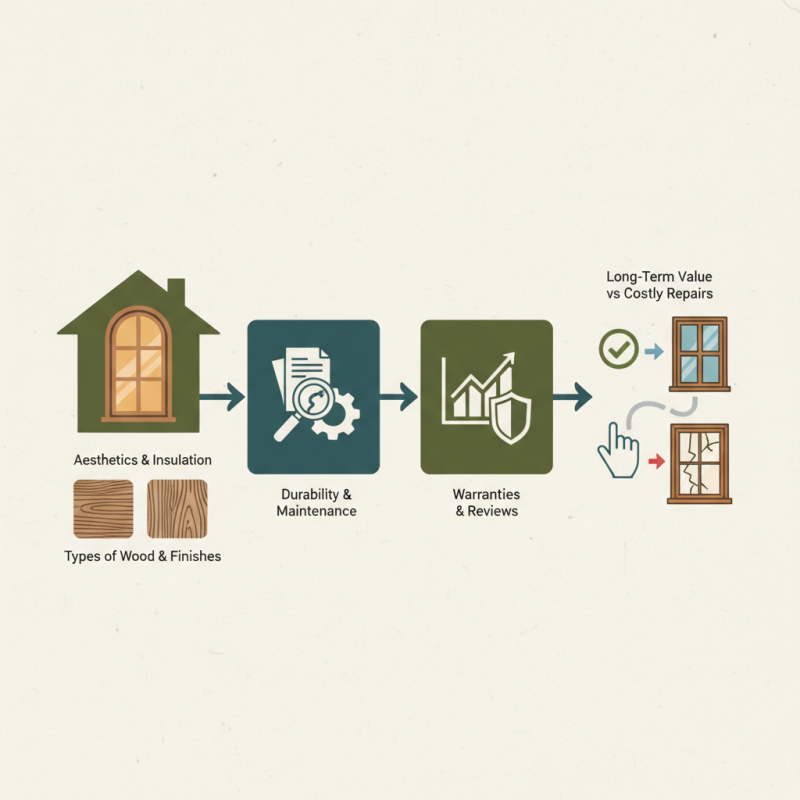
Wood windows not only provide a classic look but also offer excellent insulation. However, homeowners often overlook the differences between types of wood and finishes. These factors can heavily influence durability and maintenance needs. Choosing the wrong option may lead to costly repairs or replacements down the line.
In a market flooded with options, it's crucial to research thoroughly. Pay attention to both the appearance and the functional aspects of wood windows. Take the time to analyze warranties and customer reviews. Sometimes, what seems perfect at first glance may not stand the test of time. Re-evaluating your choices often leads to better outcomes.
Factors to Consider When Choosing Wood Windows for Your Home
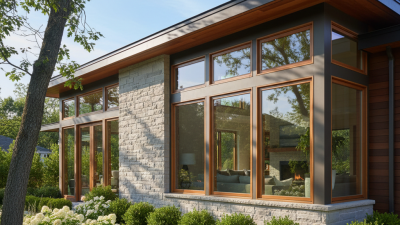
When selecting wood windows for your home, consider the type of wood used. Different woods offer varying levels of durability, insulation, and aesthetics. For instance, pine is more affordable but may not last as long as oak or cherry. Think about your local climate, too. Humid areas may require wood with higher moisture resistance.
Maintenance is essential; some woods need regular staining or sealing to maintain their appearance.
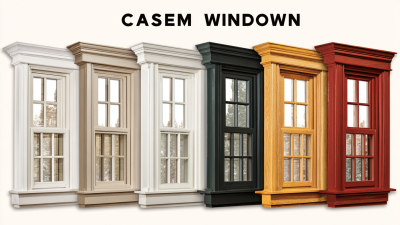
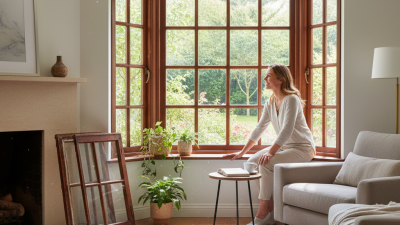
Another crucial factor is the window style. Double-hung, casement, and sliding options each offer unique benefits. Double-hung windows are easy to clean, while casement windows provide excellent ventilation. Sliding windows can save space but may have limited energy efficiency. Take time to evaluate which style suits your home best. It’s about balance—aesthetic appeal must meet practical needs.
Do not overlook energy efficiency ratings. Quality windows can significantly reduce heating and cooling costs. Look for windows with good thermal performance to ensure comfort throughout the year. However, keep in mind that the best choice is not always the most expensive. Reflect on your long-term needs and be willing to adjust your preferences. This thoughtful approach will help you make a reliable decision.
Types of Wood Materials and Their Benefits for Windows
When choosing wood windows, understanding the types of wood materials is crucial. Common hardwoods like oak, mahogany, and cherry offer strength and durability. Oak, for instance, has a Janka hardness rating of 1,290, making it highly resistant to wear. However, its weight can be an issue during installation, potentially requiring professional help.
Softwoods such as pine and fir provide advantages too. Pine is lighter, often rated around 690 on the Janka scale. This makes it easier to handle and install. It also takes paint and stain well, allowing for customization. However, softwoods are generally less durable than hardwoods. They can be more susceptible to dents and scratches over time.
Composite wood products have emerged in popularity. Made from recycled wood and plastic, they offer the look of wood with added resistance to moisture and pests. A study by the National Association of Home Builders noted that composite windows are becoming a preferred choice for homeowners seeking long-lasting solutions. However, they may lack the charm of traditional wood finishes. Always weigh the aesthetic against the practical aspects when selecting materials for your home.
Wood Window Materials and Their Benefits
Energy Efficiency Features in Wood Windows
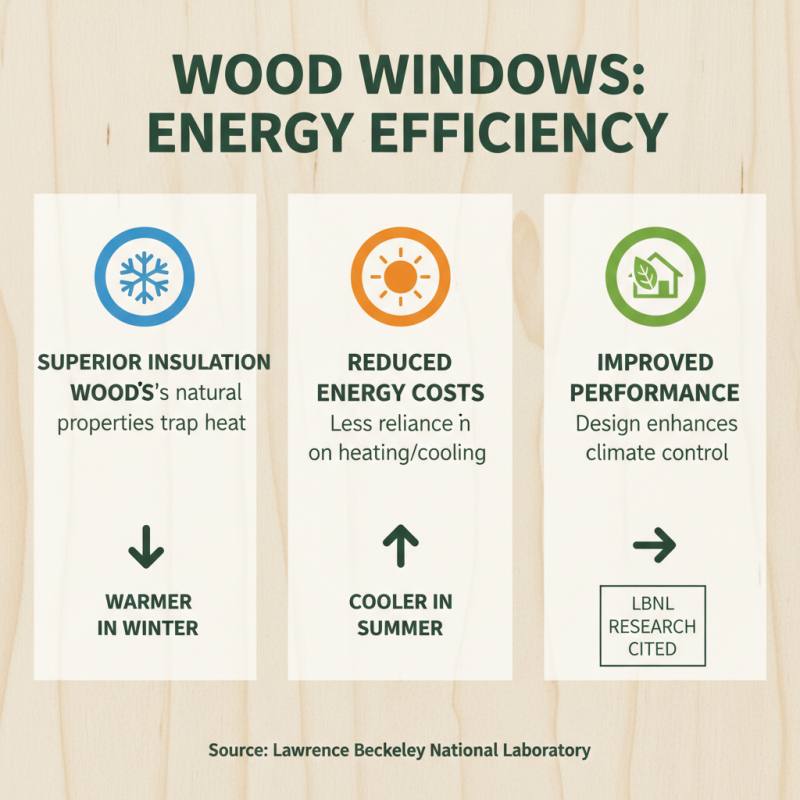
When selecting wood windows, energy efficiency is a crucial consideration. Wood windows can provide superior insulation, helping to reduce energy costs. According to the Lawrence Berkeley National Laboratory, properly designed wood windows can improve energy performance. They keep homes warmer in winter and cooler during summer, leading to reduced heating and cooling demands.
Choosing windows with the right glazing options matters significantly. Double or triple glazing provides better thermal performance. Low-emissivity (Low-E) coatings can reflect heat back into your home during winter, increasing comfort levels. The U-factor, which measures heat transfer, should be as low as possible for optimal efficiency.
Tip: Always check the ENERGY STAR rating for better energy performance. Look for windows with a U-factor under 0.30 for excellent insulation.
Another aspect to consider is air leakage. The air leakage rate should be minimal. A tighter window seal improves comfort and can lower energy bills. The National Fenestration Rating Council (NFRC) states that reducing air leaks can save up to 10% on heating and cooling costs.
Tip: Ensure proper installation to minimize air leaks. An expert installation can make a big difference in performance.
Finishes and Treatments for Wood Windows: Pros and Cons
Choosing the right finishes and treatments for wood windows is crucial for durability and aesthetics. Many homeowners overlook this aspect. A well-finished wood window adds beauty and protects the material from wear and tear. Different options exist, with each having its pros and cons.
Paint is widely used for wood windows. It offers excellent protection against moisture. However, if not properly maintained, paint can chip and peel, requiring frequent touch-ups. Stain is another popular choice. It showcases the natural grain of the wood, giving a warm feel. Yet, stains may require reapplication sooner than anticipated, depending on weather exposure.
Sealing is essential for wood windows. A good sealant protects against water damage. But improper application can lead to seal failures, causing rotting and insect infestations. Consider varnishes for added gloss and durability, but they might yellow over time. Each option requires thoughtful consideration of aesthetics and maintenance. Homeowners should weigh these factors carefully.