What are Fire Resisting Windows and Why You Need Them?
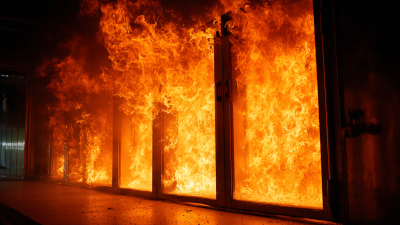
In today’s world, safety and security are paramount. Fire Resisting Windows are essential for any building aiming to protect its occupants and property. These windows are designed to withstand high temperatures and prevent flames from spreading. Their specialized materials create a barrier that offers crucial time during a fire emergency.
Installing Fire Resisting Windows can be a game-changer for both residential and commercial properties. They save lives by allowing more time for evacuation. Additionally, they help minimize property damage, which can be incredibly costly. Buildings with these windows often receive better insurance rates due to their enhanced safety features.
However, it's important to consider installation by qualified professionals to ensure maximum effectiveness. Not every window labeled as fire-resistant lives up to the standards. Homeowners must be diligent in their research. Relying solely on marketing claims may lead to unfortunate oversights. Investing in Fire Resisting Windows is an important step, but it also requires thoughtful implementation for the best outcome.
What Are Fire Resisting Windows?
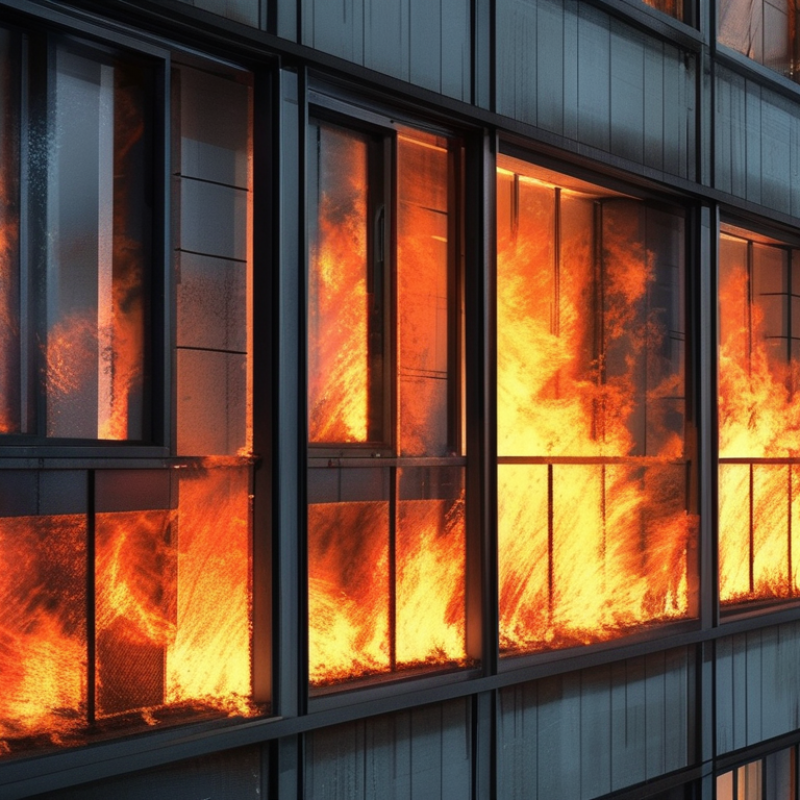
Fire resisting windows are specifically designed to enhance safety during a fire. These windows are constructed using special materials that can withstand high temperatures. Unlike standard windows, they can prevent flames and smoke from spreading. This attribute can significantly improve evacuation time in emergencies.
Installation of fire resisting windows is crucial in buildings where fire safety is a priority. They may feature multi-layered glass or specialized frames. These elements combine to protect occupants and property. A well-placed fire resisting window can save lives, but many overlook their importance.
Regular inspections and maintenance are essential to ensure these windows perform effectively. Over time, seals may degrade or damage might occur. Building owners should prioritize vigilance. The benefits of fire resisting windows are clear, yet many still underestimate their necessity. Understanding how they work can influence better safety strategies.
The Importance of Fire Resisting Windows in Safety Regulations
Fire resisting windows play a crucial role in modern building safety regulations. According to the National Fire Protection Association (NFPA), approximately 60% of fire-related deaths occur in residential buildings. Fire resisting windows are specifically designed to limit the spread of flames and smoke. Their effectiveness can significantly reduce risks during a fire event.
These windows typically feature advanced materials with fire-resistant properties. A 2020 report from Underwriters Laboratories indicated that fire-rated glass can withstand temperatures exceeding 1,000 degrees Fahrenheit for up to 90 minutes. This time frame allows occupants to evacuate safely. Additionally, fire resisting windows help contain fires within designated areas, protecting other sections of the building.
However, there's a notable gap in awareness about adequate installation and maintenance. Many buildings that comply with safety codes still use outdated products. According to a survey by the International Code Council, only 30% of building professionals prioritize fire-rated products in their plans. This oversight highlights the need for continuous education and training regarding fire safety measures in construction.
How Fire Resisting Windows Work: Materials and Technologies
Fire resisting windows play a crucial role in enhancing building safety. These windows are designed to withstand high temperatures and prevent fire from spreading. They are commonly made from specialized materials such as tempered glass, laminated glass, and intumescent seals. These technologies work together to create a barrier against flames and smoke, protecting occupants and property.
Research indicates that about 60% of fire-related fatalities occur in enclosed spaces where fire spreads rapidly. In response to these alarming statistics, building codes in many regions require the installation of fire resisting windows in specific areas. This requirement is based on data from the National Fire Protection Association, which emphasizes the importance of these protective barriers. When exposed to fire, intumescent seals can expand and fill gaps, obstructing smoke and heat transfer.
Implementation of fire resisting windows can significantly increase safety. Many constructions have adopted these specifications, ensuring that fire can be contained within a specific area. Yet, gaps in understanding about proper installation techniques can lead to vulnerabilities. It's essential for builders to consult updated safety regulations and industry best practices to maximize effectiveness. The choice of materials and installation quality significantly influences performance under fire exposure.
Fire Resisting Windows: Performance Metrics
This bar chart represents the performance metrics of fire resisting windows, showcasing their ability to withstand high temperatures, the duration of fire resistance, insulation value, and sound reduction capabilities. These metrics are crucial for ensuring safety and compliance in buildings.
Benefits of Installing Fire Resisting Windows in Your Property
Fire resisting windows play a crucial role in enhancing the safety of your property during a fire. These specialized windows are designed with materials that can withstand high temperatures for a specific duration. According to a report from the National Fire Protection Association, nearly 60% of fire-related fatalities occur in homes. Installing fire resisting windows can significantly lower this risk.
One of the key benefits is improved fire safety. These windows limit the spread of flames, providing precious time for occupants to escape. Moreover, they can help contain a fire within designated areas, reducing property damage. Studies show that implementing fire-resistant measures can reduce overall insurance costs by up to 20%. Thus, the initial investment in such windows can lead to long-term financial savings.
When considering fire resisting windows, consult local building codes. They provide guidelines on necessary fire ratings. Choose a certified installer for your windows, ensuring compliance and optimal performance. Regular maintenance of these windows is essential. Even minor cracks or damages can compromise their effectiveness, leading to potential safety hazards in the event of a fire.
What are Fire Resisting Windows and Why You Need Them? - Benefits of Installing Fire Resisting Windows in Your Property
| Feature |
Description |
Benefits |
Recommended Applications |
| Fire Resistance Rating |
Windows designed to resist fire for a specified duration. |
Enhances safety and minimizes property damage during a fire. |
Commercial buildings, hospitals, and schools. |
| Material Composition |
Made from materials like tempered glass and fire-rated frames. |
Durable and long-lasting with resistance to high temperatures. |
Residential buildings and high-rise structures. |
| Thermal Performance |
Reduces heat transfer and improves energy efficiency. |
Lower energy bills and improved indoor comfort. |
Office buildings and eco-friendly constructions. |
| Compliance |
Meets building codes and fire safety regulations. |
Ensures legal compliance and enhances property value. |
New constructions and renovations. |
| Aesthetic Appeal |
Available in various styles and finishes. |
Can enhance the visual appearance of a property. |
Residential homes and luxury buildings. |
Choosing the Right Fire Resisting Windows for Your Needs
Choosing the right fire resisting windows is critical for safety and compliance. These windows are designed to withstand high temperatures and prevent the spread of flames. According to the National Fire Protection Association, nearly 3,000 civilian deaths occur annually due to fire-related incidents. Fire resisting windows can significantly decrease hazards in residential and commercial buildings.
When selecting fire resisting windows, consider multiple factors. First, check the window's fire rating, typically ranging from 20 to 90 minutes. This rating indicates how long the window can withstand fire. Research suggests that materials like tempered glass and insulated glass units provide enhanced resistance. Look for windows certified by recognized testing bodies to ensure performance. Installation is another crucial element; improper fitting can compromise safety.
Evaluate your specific needs based on building type and local regulations. Some businesses may need higher fire ratings due to industry standards. A recent report indicated that 25% of fires occur in commercial properties. Be aware that even minor oversights in choosing windows can lead to significant safety concerns. Analyze the location and the potential fire risks to make an informed decision.