Energy Saving Windows Top Tips for Global Buyers to Save Costs
Energy saving windows are becoming essential for cost-conscious buyers worldwide. According to Peter Johnson, a leading expert in the energy efficiency field, "The right windows can drastically reduce energy bills." This statement highlights the importance of selecting the proper windows for energy conservation.
Global buyers face a multitude of options when choosing energy saving windows. Each option comes with its own set of features and benefits. However, not all windows are created equal. It is crucial to understand the specific needs of your environment. Ignoring this may lead to unnecessary expenses.
Investing in high-quality energy saving windows can provide long-term savings. Still, some buyers may overlook essential factors like insulation rating and frame material. It's easy to get lost in marketing jargon. Therefore, it's vital to conduct thorough research. Consider expert opinions and user reviews to make informed choices. Every bit of knowledge contributes to better decision-making.
Understanding Energy Saving Windows and Their Benefits
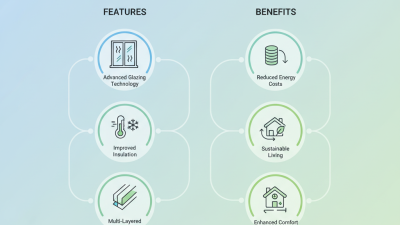
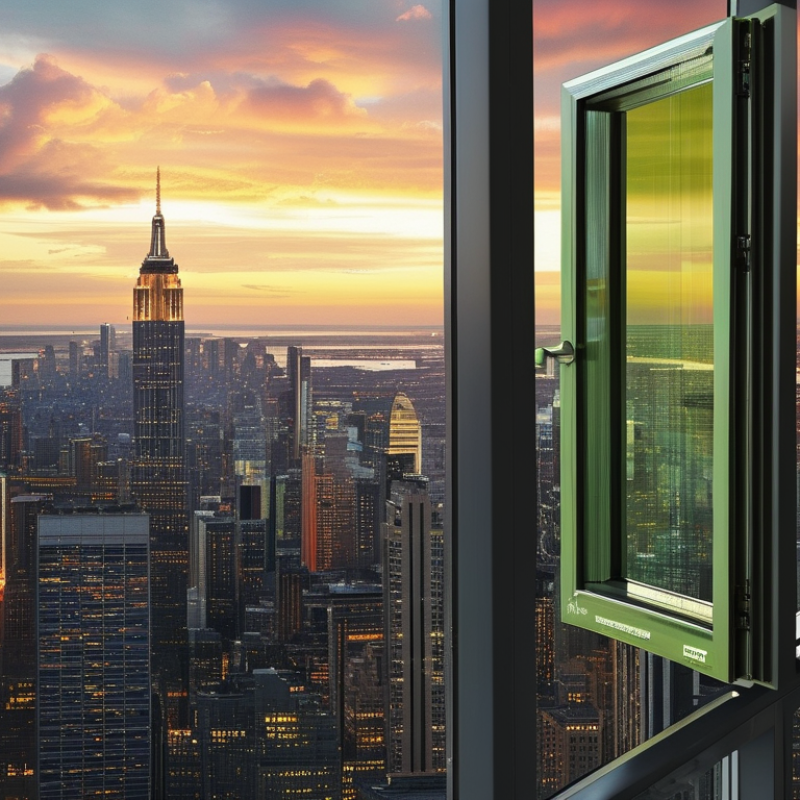
Understanding energy-saving windows is crucial for anyone looking to reduce their energy bills. These windows are designed with advanced materials that help minimize heat loss. They often include multiple panes of glass, which create effective insulation. This design not only keeps homes warmer in winter but also cooler in summer.
Another important feature is low-emissivity glass. This type of glass reflects heat back into the room while letting in natural light. This means less reliance on heating and cooling systems. The initial investment may seem high, but the long-term savings make it worthwhile. Many buyers overlook this aspect, focusing solely on upfront costs.
Many homeowners may feel overwhelmed by the options available. It’s essential to consider local climate conditions when selecting windows. Not all window types suit every environment. Mistakes can lead to inefficient energy use and increased costs. Engaging with experts for advice can lead to better choices. Investing in energy-saving windows can transform your living space while significantly cutting costs.
Energy Saving Windows Benefits
Factors to Consider When Choosing Energy Efficient Windows
When selecting energy-efficient windows, several critical factors should be considered. The National Fenestration Rating Council (NFRC) suggests looking at parameters like U-factor and Solar Heat Gain Coefficient (SHGC). The U-factor indicates how well a window insulates, affecting heating and cooling costs significantly. While a lower U-factor generally means better insulation, it is essential to balance insulation with natural light needs.
Another important factor is the type of glazing. Double-glazing can improve insulation by reducing heat loss. According to the U.S. Department of Energy, homes with double-glazed windows can save up to 24% on heating costs. However, triple-glazed windows offer even better insulation, albeit at a higher initial cost. This may lead buyers to question whether the long-term savings justify the upfront investment.
Additionally, frame materials play a significant role in energy efficiency. Materials like vinyl and fiberglass provide better insulation compared to aluminum. However, vinyl frames can be prone to fading, and fiberglass frames may be pricier. Assessing these trade-offs is essential for making an informed decision. Thoughtful analysis can drive smarter buying choices.
Types of Energy Efficient Windows and Their Features
Energy-efficient windows are essential for cost savings and comfort. There are various types available, each with unique features. These windows are designed to reduce heat loss and enhance insulation. According to the U.S. Department of Energy, installing energy-efficient windows can reduce energy bills by 15% to 20%.
Double-glazed windows are popular due to their effectiveness. They consist of two glass panes, with a space filled with argon gas in between. This design minimizes heat transfer, improving thermal efficiency. Furthermore, low-emissivity (Low-E) coatings can reflect heat back into the room. This ensures that homes maintain a stable temperature throughout the year.
Casement windows are another option. They open outward, creating a tight seal when closed. This helps reduce drafts, adding to their energy efficiency. While these windows provide excellent ventilation, they may require more maintenance. Buyers should consider the climate and environment when choosing the right style. It’s critical to weigh the advantages against potential drawbacks, such as cost and installation complexities.
Cost-Saving Strategies for Global Buyers of Energy Saving Windows
When considering energy-saving windows, global buyers need to focus on cost-effective strategies. These windows can significantly reduce energy bills by minimizing heat loss in winter and heat gain in summer. Investing in high-performance glazing is crucial. Double or triple glazing may seem expensive initially, but it pays off in energy savings over time.
Buyers should also look for windows with low U-values, indicating better insulation. Conducting thorough research before purchasing is vital. Not all suppliers provide the same quality, and some may market inferior products. Keep an eye on local certifications and energy ratings, as these can guide purchasing decisions effectively.
Every market has unique circumstances. Prices can vary widely based on the region. Engaging with local suppliers might uncover better deals or new technologies not available elsewhere. While it might feel daunting, the effort to compare quotes and features can lead to substantial long-term savings on energy costs. Every step counts toward achieving a more energy-efficient, cost-effective home.
Installation and Maintenance Tips for Optimal Energy Efficiency
When installing energy-efficient windows, proper installation is key. Even the best windows can underperform if not fitted correctly. Ensure a good seal around frames to prevent drafts. Gaps can lead to energy loss. Pay attention to insulation materials as well. They can significantly impact the window's performance.
Maintenance is equally important. Regularly check seals for wear and tear. Dirty windows can also reduce efficiency. Aim to clean them at least twice a year. Consider the benefits of window films for additional protection. These films can help block heat and reduce glare. Other details, such as the alignment of windows, should not be overlooked.
Learning from each installation experience is vital. No setup is perfect on the first try; adjustments always improve results. Testing different techniques can yield better outcomes. Keep track of what works and what doesn’t. Your observations can guide future projects and enhance energy efficiency.