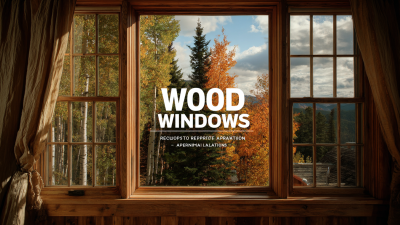
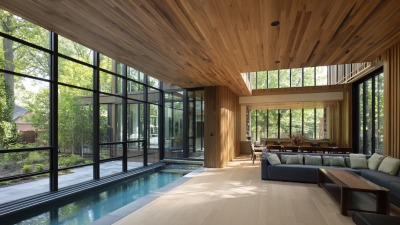
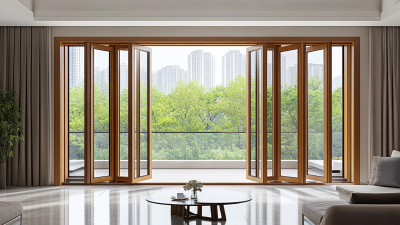
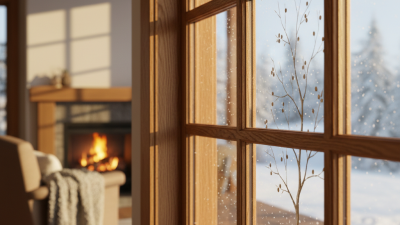
How to Choose the Best Wood Windows for Your Home?
Choosing the best wood windows for your home can be a daunting task. With a myriad of options available, making an informed choice is crucial. Renowned expert in home renovations, Michael D. Thompson, once stated, “The right wood windows can transform a house into a home.” This highlights the importance of selecting quality materials that resonate with your style and needs.
Wood windows offer both aesthetic beauty and functional benefits. They provide excellent insulation, adding warmth to your home during chilly winters. However, not all wood windows are created equal; the quality varies significantly among manufacturers. It’s essential to consider the type of wood, the style of the window, and its durability against the elements.
While the appeal of wood windows is undeniable, maintenance should not be overlooked. Regular upkeep will ensure they last for years. Choosing the right wood windows involves balancing beauty, efficiency, and sustainability. Keep in mind that the choice can impact the overall character of your home. Taking the time to research thoroughly will lead you toward a decision that reflects your vision and minimizes regrets.
Types of Wood Windows: An Overview of Options Available
When selecting wood windows for your home, consider the various types available.
Solid wood windows offer exceptional insulation and durability.
They can last for decades if maintained properly.
A study from the U.S. Department of Energy indicates that well-insulated windows can reduce energy costs by up to 25%.
This can be a significant saving over time.
Another option is wood-clad windows, which combine wood on the inside with a protective exterior.
This design provides the warmth of wood while minimizing maintenance.
However, the coating can wear over time, leading to potential issues.
Vinyl-clad options offer lower maintenance and cost but may not match solid wood's aesthetic appeal.
Tip: Review energy ratings before purchasing. Look for windows with a high energy efficiency label to ensure lower heating and cooling costs.
Finally, consider composite wood windows.
They blend wood fibers with synthetic materials. This creates a robust option that is less prone to warping.
However, composite options may lack the rich texture of natural wood.
Evaluate your priorities carefully to make the best choice for your home and lifestyle.
Factors to Consider When Choosing Wood Windows for Your Home
Choosing wood windows for your home involves several important factors. The type of wood used is crucial. The aesthetics of different woods can vary significantly. For instance, oak provides a robust look, while pine offers a lighter appearance. Consider the climate in your area, as certain woods fare better in moisture-rich environments.
Another key factor is insulation. Wood windows can offer excellent thermal performance. Look for windows with a high energy efficiency rating. This ensures that your home remains comfortable year-round. Pay attention to the construction type as well. Double-hung windows may be more versatile, while casement windows can provide better air sealing.
Finally, think about maintenance. Wood requires periodic treatments to prevent rot and insect damage. This means you need to commit to regular upkeep. Evaluate your willingness to invest time and resources into maintaining the beauty and functionality of your windows. Balancing aesthetics, energy efficiency, and maintenance needs will guide your decision-making process effectively.
Energy Efficiency: Understanding Thermal Performance of Wood Windows
When selecting wood windows for energy efficiency, thermal performance is critical. According to the U.S. Department of Energy, windows can account for 25-30% of residential energy use. Understanding factors like U-factor and R-value can help homeowners make informed choices. The U-factor measures the window's insulation capability. Lower U-factor values indicate better thermal performance.
Wood windows provide excellent insulation. The National Renewable Energy Laboratory states that high-quality wood windows can achieve an R-value of up to 4.5. This performance means improved energy savings and a more comfortable indoor environment. However, it's essential to recognize that not all wood windows offer the same thermal protection.
Installation is just as crucial as the window's materials. Poor installation can negate energy efficiency benefits. Gaps and improper sealing can lead to heat loss. Regular maintenance also plays a vital role in maintaining performance over time. Homeowners should periodically check for any signs of wear or deterioration. Engaging a professional for installation and maintenance may seem expensive, but the long-term savings often justify the initial costs.
Aesthetic Appeal: Matching Wood Windows with Home Style
When selecting wood windows, aesthetic appeal is crucial. The design should harmonize with your home’s architectural style. For instance, traditional homes often benefit from classic sashes and intricate moldings. In contrast, contemporary designs favor clean lines and minimalist approaches. According to a report by the National Association of Realtors, selecting windows that match your home style can increase property value by up to 15%.
Tips: Consider the color and finish of your wood windows. A natural stain can enhance the wood's grain, while painted options offer a broader color palette. The wrong choice can clash with your home’s exterior, diminishing its charm.
Another aspect to think about is the type of wood used. Different species offer varied aesthetics and durability. Oak provides a robust look, while pine is softer and may not hold up as well over time. Research shows that homeowners often overlook the long-term maintenance needs of their window choice. Choosing an appealing window style should consider ongoing care requirements.
Tips: Look for energy-efficient options. Double-glazing can significantly reduce heating costs. Choosing sustainable wood sources ensures your impact on the environment is minimal, aligning with modern eco-conscious values. Always remember, your choice should not just look good today but also remain functional and attractive for years to come.
Maintenance and Durability: Ensuring Longevity of Wood Windows
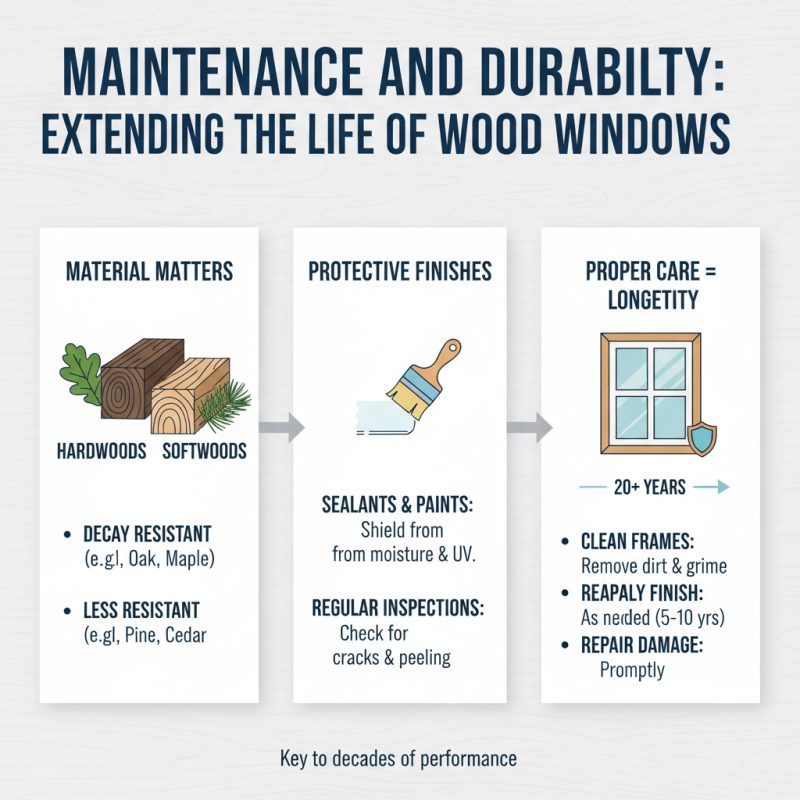
When choosing wood windows, durability and maintenance are key. Wood windows can last for decades if cared for properly. However, the longevity of these windows depends on the type of wood and the finish. Some woods resist decay better than others. For instance, hardwoods may withstand moisture more effectively than softwoods.
Regular maintenance is essential. This includes inspecting seals and finishes at least once a year. Repainting or resealing can prevent water damage. Pay attention to areas with less ventilation, as they are more prone to mold. Even with proper care, wood can warp over time. So, keep an eye on any changes in shape or fit.
Understanding your climate is also crucial. In areas with high humidity, choose weather-resistant stains. Use caulking around edges to enhance insulation. A little effort goes a long way in maintaining wood windows. They provide charm to any home but require commitment to keep them looking their best.