How to Choose the Best Wood Windows and Doors for Your Home?
Choosing the best Wood Windows and Doors for your home can be challenging. According to industry expert John Anderson, “The right wood can transform your space.” His insight reflects the beauty and functionality wood can bring. Understanding how to select these features is crucial for any homeowner.
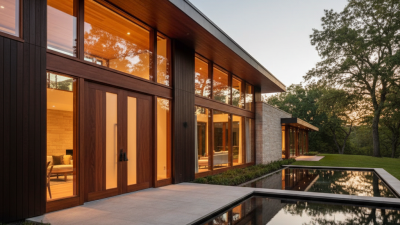
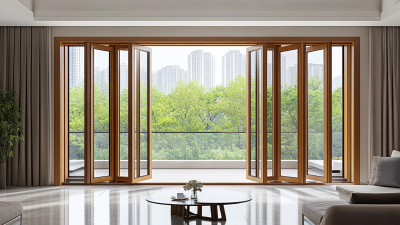
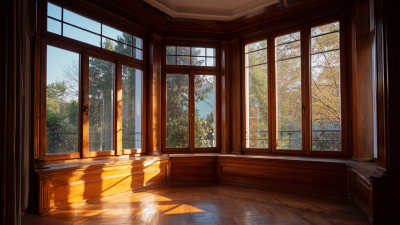
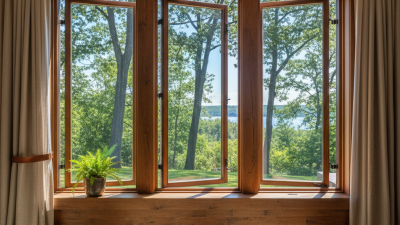
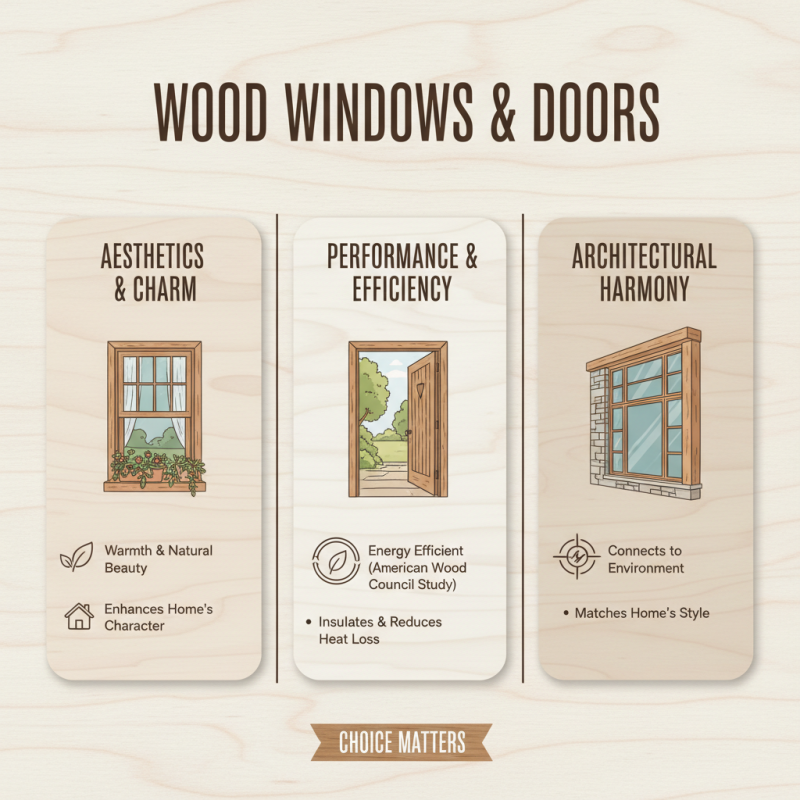
Wood Windows and Doors can enhance your home’s character. They offer warmth and charm that other materials cannot match. Different types of wood provide various aesthetic effects and durability levels. For instance, oak has a robust appearance, while pine offers a soft, inviting look. Homeowners must think about which style complements their homes best.
Quality matters. Poor installation can lead to problems down the line. If windows and doors are not properly sealed, they can let in drafts. This can lead to increased energy costs. Reflect on your choices carefully. Selecting the perfect wood needs time and consideration. The decision will impact your home's value and comfort for years to come.
Understanding Different Types of Wood Used in Windows and Doors
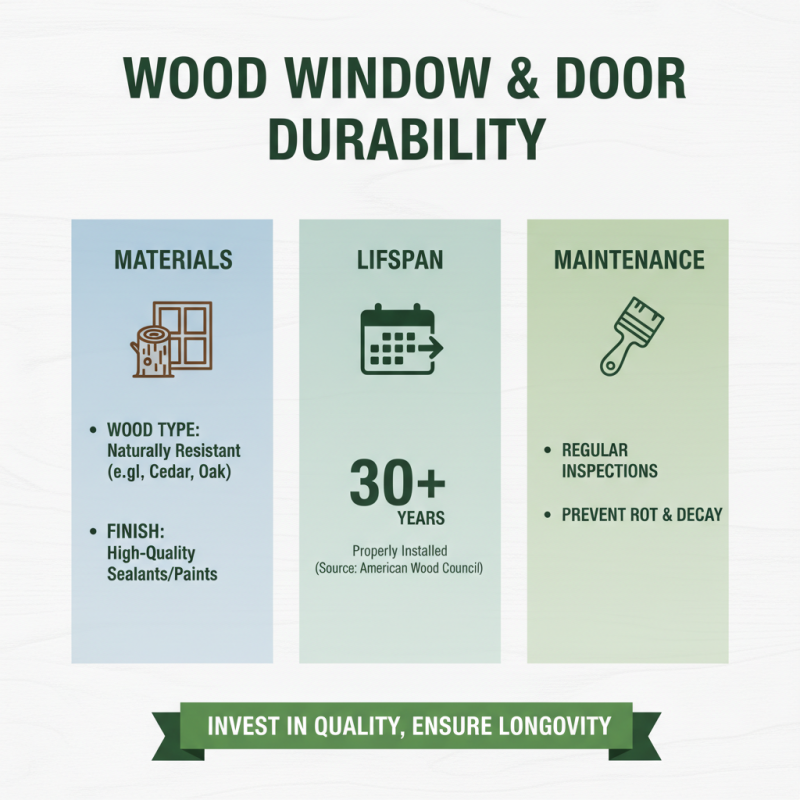
When it comes to wood windows and doors, the type of wood makes a significant difference. Common choices include pine, oak, and mahogany. Pine is affordable and lightweight. It can be stained or painted easily. However, it may not be as durable as other woods. Oak has a robust structure and a grain that adds character, yet it’s heavier and may require more maintenance over time.
Mahogany stands out for its beauty and resistance to the elements. It's often chosen for upscale homes. However, its cost can be a drawback. Each wood type undergoes different treatments to withstand moisture and pests. This affects their longevity and visual appeal.
Consider how each wood will fit into your home's aesthetic. Do you prefer a rustic or modern look? Each choice offers unique benefits. But, do not overlook the possible downsides, like susceptibility to warping or fading. Balancing these factors is crucial. Remember to weigh both your budget and your home's environment when making this important decision.
Comparison of Different Wood Types for Windows and Doors
Evaluating Energy Efficiency Ratings for Wood Windows and Doors
When choosing wood windows and doors, energy efficiency should be a top priority. Energy-efficient options not only save money but also contribute to a sustainable lifestyle. According to the U.S. Department of Energy, windows account for 25-30% of residential heating and cooling energy use. Look for products with an ENERGY STAR label. These products can reduce your energy bills by an average of 12% nationwide.
Tip: Conduct a whole-house energy audit. This will identify existing issues and help you understand what new windows and doors can improve.
Consider the U-factor, which measures heat transfer. Lower U-factor values indicate better insulation. For instance, a U-factor under 0.30 is typically recommended for optimal performance. Also, pay attention to the Solar Heat Gain Coefficient (SHGC). This rating shows how well a window blocks heat from sunlight. A lower SHGC is preferable in hot climates to maintain indoor comfort.
Tip: Keep up with local energy codes. These can guide you toward compliant and efficient designs. While aesthetics are important, don’t compromise on efficiency for style.
Reflect on the balance you need. Wood windows can be beautiful but should also serve their purpose effectively.
Exploring Installation Options and Professional Help
When considering wood windows and doors, installation is key. Proper installation affects performance and longevity. You might think DIY is the way to save money, but it can lead to problems. Incorrectly installed windows can cause drafts or leaks. Professionals have the right tools and skills to ensure a perfect fit.
Choosing the right installer is also crucial. Not all contractors have experience with wood products. Look for someone with a solid track record. Ask for references and check reviews. Some may claim expertise but lack the necessary background. Don't rush this decision. Take your time to find someone reliable.
Communication with your installer is important too. Clearly express your style preferences and functional needs. Misunderstandings can lead to unwanted outcomes. You might envision a classic look, but the installer might not grasp the specifics. Sharing images can help bridge that gap. Emphasize details, and consider their suggestions. A good partnership can enhance your project’s success.