How to Choose the Best Three Proofing Windows for Your Home?
When it comes to enhancing home comfort and safety, the choice of "Three Proofing Windows" is critical. These windows resist water, air, and noise, creating a sanctuary in your home. Renowned expert Dr. Emily Carter, a specialist in residential architecture, emphasizes, “Selecting the right proofing windows can significantly improve your living experience.”
The process of choosing these windows can be overwhelming. Different materials and technologies exist in the market. It's essential to consider durability, energy efficiency, and aesthetic appeal. Homeowners often struggle to balance these features effectively. Some may prioritize cost over quality, which can lead to regret later.
Investing in high-quality "Three Proofing Windows" pays off in the long run. They provide protection against external elements, ensuring a tranquil indoor environment. Reflection on past choices can guide better decisions today. Local climates, window placement, and intended use should all influence your final decision. Each factor contributes to the overall success of the installation.
Understanding the Importance of Proofing Windows for Your Home
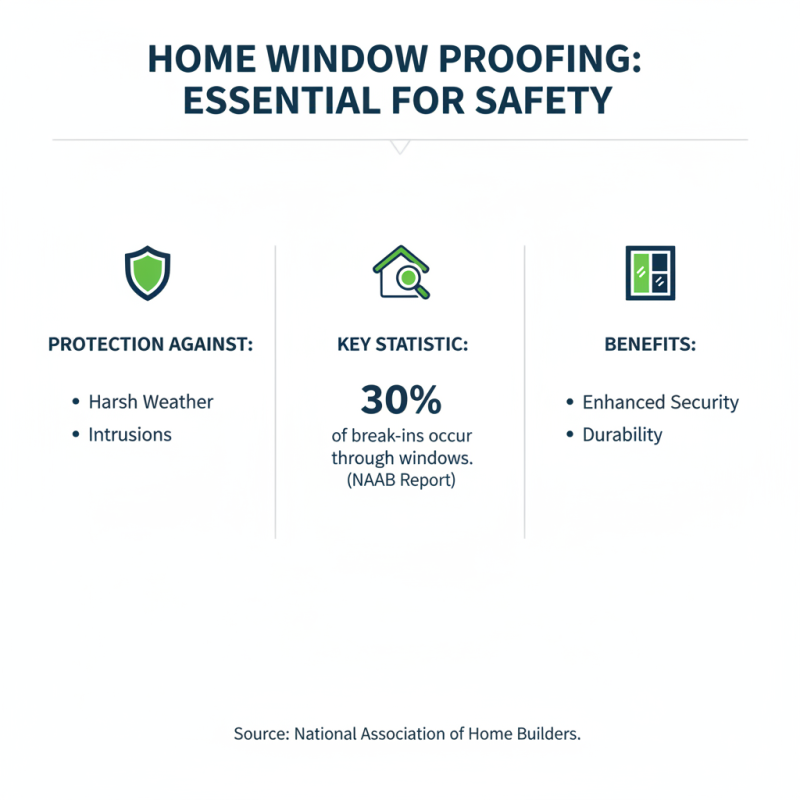
When it comes to home safety, proofing windows play a vital role. They help protect against harsh weather and intrusions. According to a report by the National Association of Home Builders, nearly 30% of break-ins occur through windows. This statistic highlights the importance of choosing windows that resist forced entry and environmental stressors.
Energy efficiency is another key factor. Research indicates that drafty windows can lead to a 20% increase in heating and cooling costs. Proper proofing windows minimize air leakage. They can significantly reduce energy bills while enhancing indoor comfort. Homeowners should consider features like double glazing or impact-resistant glass for optimal performance.
While it’s crucial to choose the right materials and designs, some homeowners overlook installation quality. Poor installation can negate benefits, leading to leaks and potential damage. Regular maintenance is also essential. Over time, seals wear out. Homeowners must be proactive in inspecting and repairing windows to ensure ongoing effectiveness.
Factors to Consider When Choosing Proofing Windows
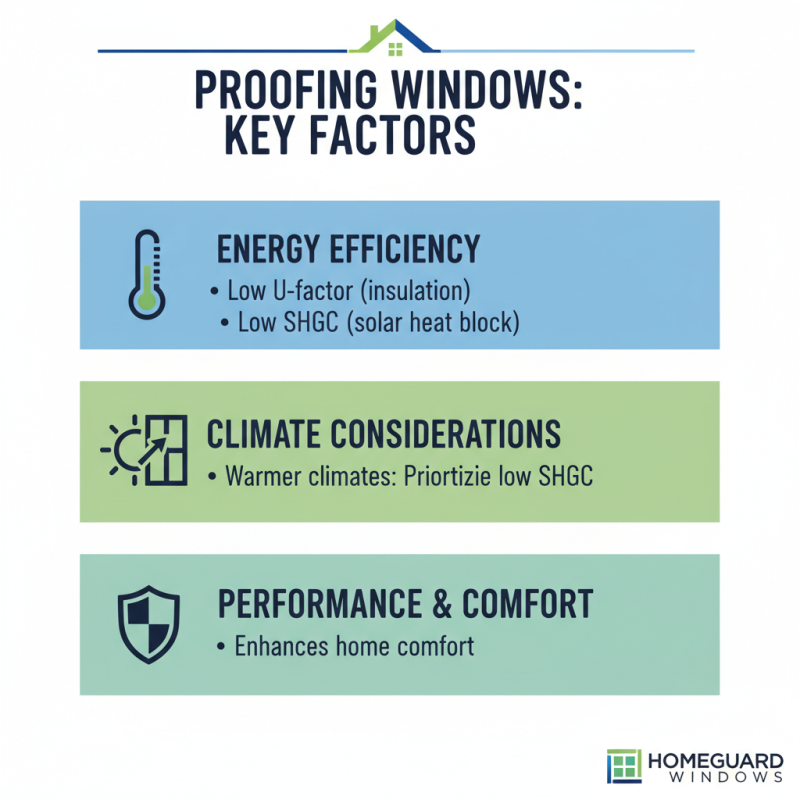
When selecting proofing windows for your home, several factors warrant careful consideration. Energy efficiency is paramount. According to the U.S. Department of Energy, roughly 30% of heating energy is lost through windows. Look for windows with a low U-factor, indicating better insulation properties. Also, consider the Solar Heat Gain Coefficient (SHGC), which informs how much heat enters through the glass. Windows with a lower SHGC are preferable in warmer climates.
Durability is another critical aspect. The American Architectural Manufacturers Association notes that windows should withstand environmental stresses and last for decades. Look for windows constructed from high-quality materials. Frames made of fiberglass or vinyl typically offer longevity and lower maintenance costs compared to traditional wood. However, some homeowners may overlook the importance of regular maintenance checks, which can lead to unexpected issues over time.
Another factor is sound insulation. Homes in noisy areas benefit from windows designed to minimize sound transmission. The Sound Transmission Class (STC) rating is essential in this context. Higher STC ratings ensure better soundproofing, enabling a peaceful living environment. While aesthetics might be a lesser priority for some, striking a balance between visual appeal and functional performance is crucial. Choosing the right proofing windows can be daunting, especially when personal preferences clash with practical requirements. Regular evaluations will help align your choices with evolving needs.
Types of Proofing Windows and Their Benefits
When exploring proofing windows, knowing the types and their benefits is crucial. These windows are designed to enhance energy efficiency and provide better insulation. According to the Department of Energy, installing high-quality proofing windows can reduce energy bills by up to 15%. This statistic highlights their importance in both comfort and savings.
There are three primary types of proofing windows:
double-glazed,
triple-glazed,
and
low-emissivity (Low-E) windows.
Double-glazed windows feature two layers of glass, creating an insulating barrier. This design helps keep homes warm in winter and cool in summer.
Triple-glazed windows add another layer, further improving thermal performance.
Low-E windows are another excellent option. They have a special coating that reflects heat but allows light to enter.
A study by the Energy Research Centre found that homes with Low-E windows experienced a 30% reduction in heat loss. Such advancements show the technology's evolving nature, offering more choices for homeowners.
Yet, some may question if the added cost is justified. Homeowners should weigh initial investments against long-term gains in energy efficiency.
Energy Efficiency Ratings and Their Impact on Window Selection
Choosing the right windows for your home involves understanding energy efficiency ratings. These ratings are crucial for informed decision-making. According to the U.S. Department of Energy, energy-efficient windows can reduce energy bills by 12-20%. This significant savings highlights the importance of selecting windows with high energy efficiency ratings.
Windows are evaluated based on U-factor, Solar Heat Gain Coefficient (SHGC), and Visible Transmittance (VT). The U-factor measures insulation effectiveness. A lower U-factor means better insulation. SHGC indicates how much heat from sunlight enters your home. Ideally, you want a low SHGC for hot climates. On the other hand, a high VT allows more natural light in, enhancing indoor spaces. Striking a perfect balance between these factors can be challenging.
It's essential to consider how different climates impact window performance. A window with excellent ratings in one region may underperform in another. Improper selection can lead to discomfort and increased energy costs. Local climatic conditions, home orientation, and personal preferences should also shape your choices. Taking the time to research these factors can lead to a more satisfying and energy-efficient home.
Installation and Maintenance Tips for Proofing Windows
When installing proofing windows, proper placement is crucial. Measuring the window frame accurately ensures a snug fit. Make sure the frame is square and level. Unaligned windows can lead to air leaks and inefficient insulation. Use quality materials for installation. This step can make all the difference in energy efficiency.
Maintenance is just as important. Regularly check for signs of wear and tear. Look for cracks in the seals or gaps between the window frame and wall. Cleaning the windows is essential too. Use gentle cleaners to avoid damaging the surface. Consider lubricating any moving parts, like hinges, to ensure smooth operation.
Take time to reflect on your windows’ performance. Are they keeping out the cold? Consider upgrading when needed. Proper installation and routine maintenance play significant roles in maximizing the windows’ lifespan. Even small oversights can lead to larger issues. Address them promptly for the best results.
How to Choose the Best Three Proofing Windows for Your Home? - Installation and Maintenance Tips for Proofing Windows
| Feature |
Single Glazed |
Double Glazed |
Triple Glazed |
| Insulation Performance |
Low |
Moderate |
High |
| Energy Efficiency |
Poor |
Good |
Excellent |
| Noise Reduction |
Low |
Moderate |
High |
| Cost |
Lowest |
Moderate |
Highest |
| Durability |
Low |
Moderate |
High |
| Maintenance |
Simple |
Moderate |
Requires Attention |