2026 Top Trends in Exterior Windows for Global Buyers
The landscape of exterior windows is rapidly evolving, driven by innovations and changing consumer preferences. Industry expert John Smith from Global Window Solutions comments, "Modern exterior windows are not just functional but also define the style of a home." As we look towards 2026, buyers must stay informed about the latest trends shaping this sector.
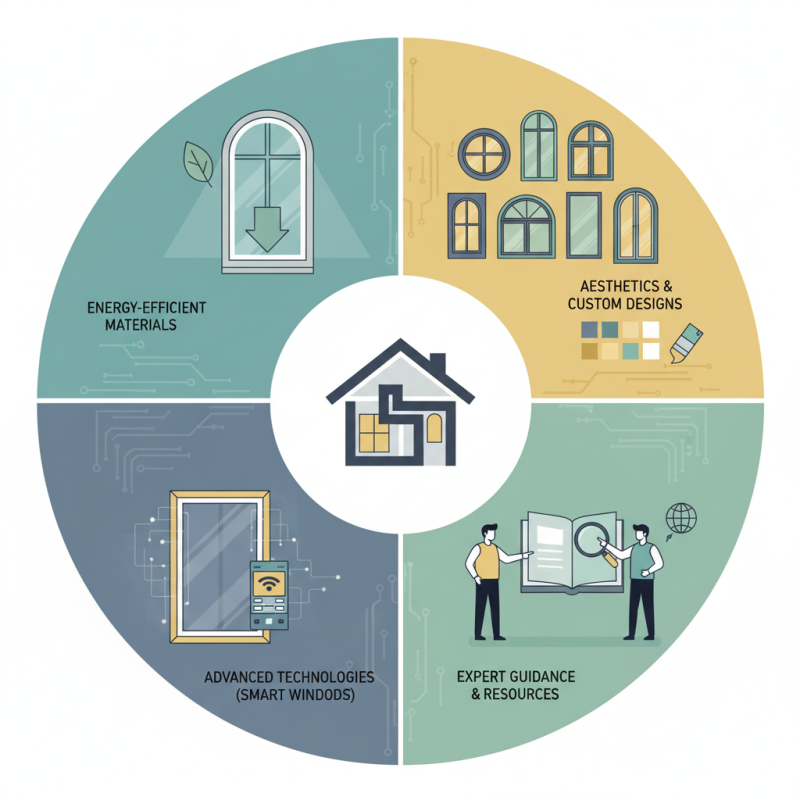
One prominent trend is the shift towards energy-efficient materials. Homeowners increasingly prioritize sustainability. They seek windows that reduce energy costs. Another focus is on aesthetics, blending beauty with practicality. Custom designs are gaining popularity, allowing personal expression through exterior windows. However, this may present challenges for some buyers unaware of these evolving dynamics.
Awareness of advanced technologies, like smart windows, is becoming crucial. Yet, not all consumers understand their benefits fully. As the market progresses, the need for reliable resources and expert guidance will grow. Overall, the 2026 outlook for exterior windows shows promise, but buyers must navigate these changes thoughtfully.
2026 Market Growth Projections for Exterior Windows in the Global Landscape
The global market for exterior windows is poised for substantial growth over the next few years. According to the latest market projections from industry reports, the sector is expected to expand at a compound annual growth rate (CAGR) of approximately 5.8% from 2024 to 2026. This growth reflects a rising demand for energy-efficient and sustainable building materials. The increasing focus on eco-friendly construction is influencing design preferences worldwide.
In particular, emerging markets are driving this trend, as urbanization accelerates globally. For example, Asia-Pacific is anticipated to witness the fastest growth, fueled by rapid infrastructure development. Investments in residential and commercial buildings are pivotal. Moreover, the shift toward smart home technology intersects with window design, prompting innovations in insulation and materials.
However, despite these promising trends, industry players must address challenges such as supply chain disruptions and fluctuating raw material costs. The transition to new materials requires careful consideration of durability and environmental impact. Overcoming these hurdles is essential for sustained growth in the exterior window market. Clear distinctions in product quality and performance will likely become paramount as competition increases.
2026 Top Trends in Exterior Windows for Global Buyers
| Trend |
Market Growth (%) |
Preferred Material |
Key Features |
Region of Demand |
| Energy-Efficient Windows |
15% |
Vinyl |
Low-E Coating, Triple Glazing |
North America, Europe |
| Smart Windows |
10% |
Glass |
Tinting, Solar Control |
Asia-Pacific, Europe |
| Architectural Windows |
8% |
Aluminum |
Custom Design, Large Panels |
North America, Middle East |
| Sustainable Materials |
12% |
Composite |
Recyclability, Durability |
Global |
| Enhanced Security Features |
7% |
Fiberglass |
Impact Resistance, Smart Locks |
North America, Asia |
Innovation Trends in Energy-Efficient Window Designs for 2026
As the global focus shifts towards sustainability, energy-efficient window designs are set to dominate the market in 2026. Recent studies indicate that energy-efficient windows can reduce heating and cooling costs by up to 30%. Many buyers are now demanding windows with low U-values, which measure thermal performance. These innovations can significantly lower energy consumption in residential and commercial buildings.
Moreover, the use of smart technologies in window design is gaining traction. Windows integrated with sensors can adjust their tint based on sunlight exposure. This technology not only enhances energy efficiency but also boosts user comfort. However, implementing these technologies raises questions about cost-effectiveness. For many, the investment may seem daunting.
Additionally, the aesthetic aspect cannot be ignored. Buyers look for windows that harmonize with modern architecture while providing functionality. Striking a balance between innovative features and appealing designs is challenging. Industry reports also suggest that while energy-efficient designs can increase property value, not all homeowners recognize this advantage. More education is needed in the market to fully grasp the long-term benefits of energy-efficient windows.
Sustainable Materials and Their Impact on Exterior Window Trends
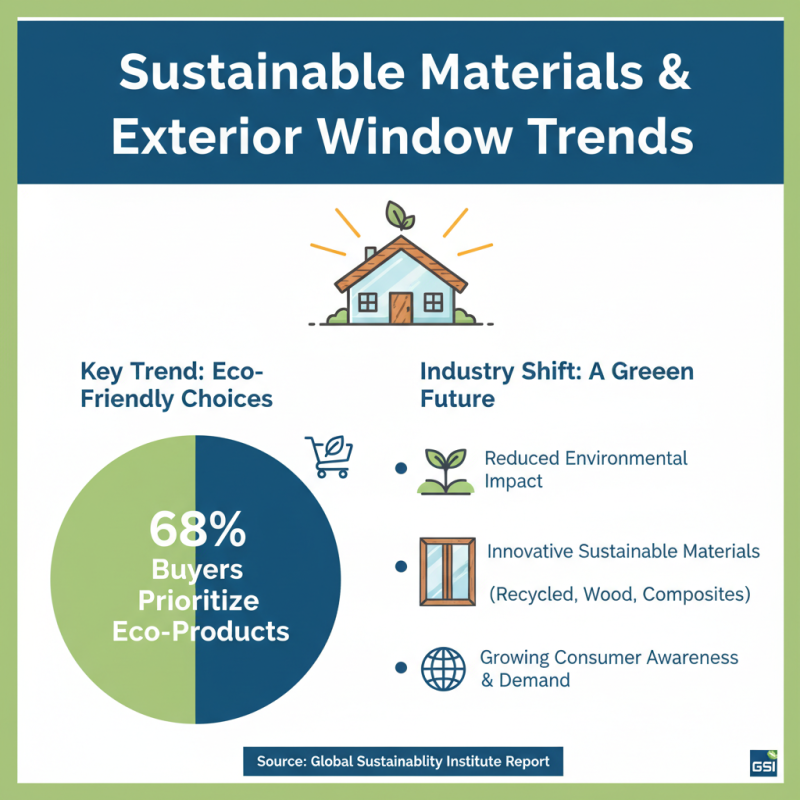
The rising demand for sustainable materials in exterior windows shapes the industry’s future. According to a recent report by the Global Sustainability Institute, nearly 68% of buyers prioritize eco-friendly products when purchasing building materials. This trend aligns with growing environmental awareness among consumers.
Wood-alternative materials, such as fiberglass and recycled composites, gain prominence. They offer durability and energy efficiency. A study indicates that windows made from these sustainable materials can reduce energy costs by up to 20%. Additionally, the lifecycle of these materials minimizes carbon footprints, appealing to environmentally conscious buyers.
Challenges still exist in adopting sustainable options. Many construction companies express concerns over initial costs. The price gap between traditional and green materials remains a barrier. Education on long-term benefits is critical. Buyers need reliable information to make informed decisions. This dialogue can drive change in material selection and promote sustainable building practices.
Smart Window Technologies Revolutionizing the Global Market by 2026
Smart window technologies are reshaping the exterior window market. By 2026, we can expect significant advancements that enhance energy efficiency and user comfort. These technologies include dynamic glass and electrochromic capabilities. They allow windows to adjust their tint based on sunlight, reducing the need for air conditioning.
Consider the challenges posed by installation costs and complexity. As more homeowners and builders explore these options, the market must address these barriers. Efficient installation methods will be essential for widespread adoption. Moreover, the industry must ensure that smart windows meet durability standards, overcoming skepticism regarding their long-term performance.
Consumer awareness is crucial. Many buyers still lack knowledge about the benefits of smart window technologies. As awareness grows, so will demand. Clear communication about energy savings and environmental impacts is vital. Engaging educational campaigns and informative resources can bridge this gap. Smart windows have the potential to transform spaces dramatically while tackling sustainability issues.
Consumer Preferences Shift: Aesthetic vs. Functional Features in Windows
As we approach 2026, consumer preferences in exterior windows reveal a fascinating shift. Buyers are increasingly torn between aesthetic appeal and functional performance. Windows are no longer just a means to let in light; they are integral to a building's character. Many homeowners now seek designs that reflect their personal style, often favoring sleek frames or unique shapes.
While aesthetics capture attention, functionality remains essential. Energy efficiency and durability are high on many buyers' wish lists. Homeowners want windows that withstand the test of time, keeping interiors comfortable. Unfortunately, many overlook the long-term cost savings of energy-efficient models. The allure of trendy designs can overshadow practical considerations.
This evolving landscape suggests a need for greater awareness. Buyers should prioritize products that blend beauty with efficiency. However, finding that balance is not always easy. It requires careful consideration of both immediate desires and long-term benefits. Homeowners should challenge themselves to weigh aesthetics against functionality, reflecting on what truly matters in their living spaces.